


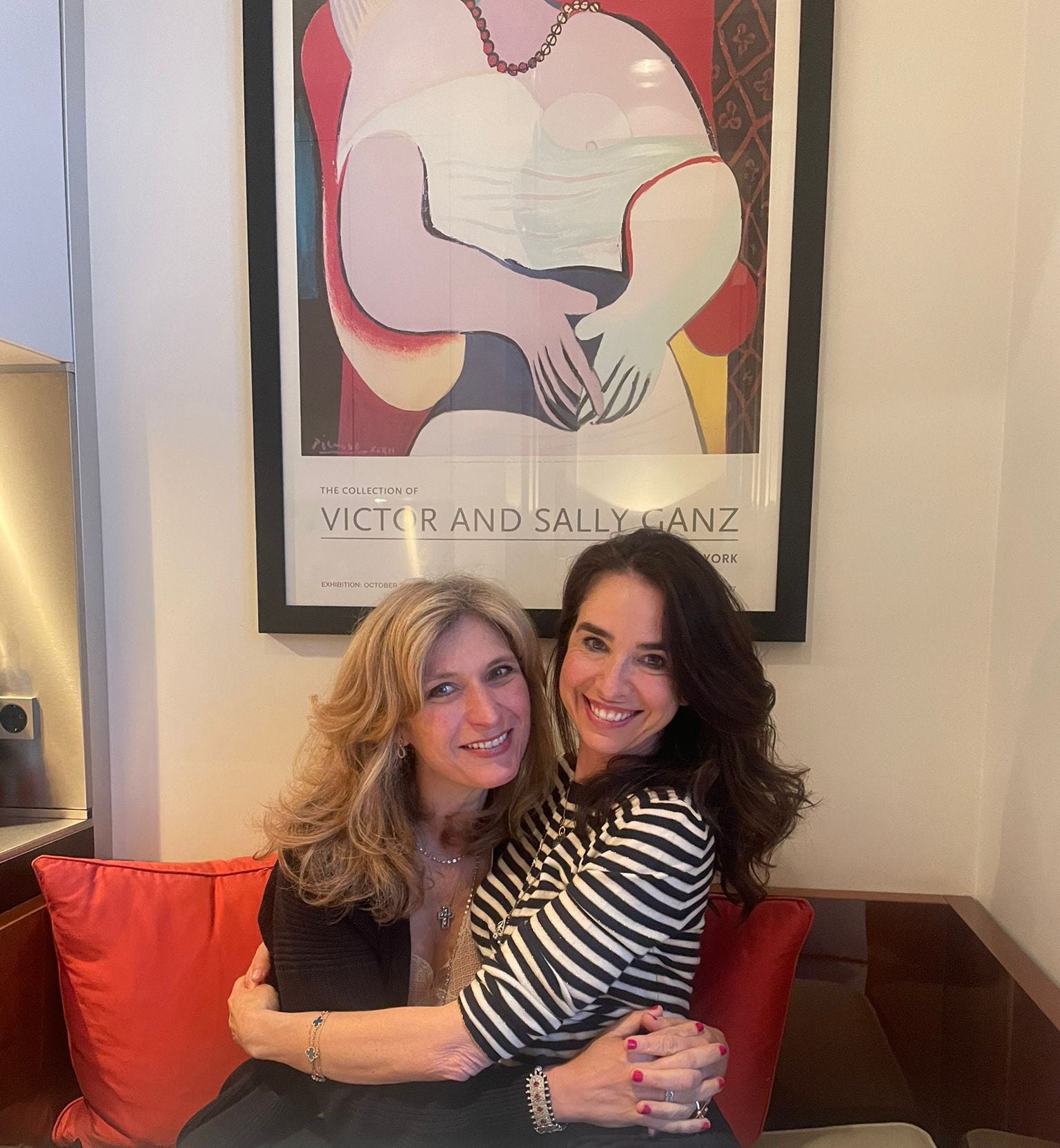
I almost didn’t go.
As we were leaving a dinner party, a girlfriend asked whether I would join her for a meditation session the following evening. I heard myself say yes - partly going along with the convivial ease of the evening, and partly because I had not seen Marie-Laure in some time and welcomed the chance to do something together.
By the next day, however, I found myself resisting the commitment. It did not align with how I like to spend my time. More deeply, I have always been hesitant about group meditation practices, preferring time alone to reflect. And yet, I wanted to remain open to saying yes to something shaped by another’s suggestion. On that basis, a rain check was not an option. I went.
I arrived just as the session was about to begin. Marie-Laure had already settled into place. The facilitator greeted me warmly and motioned toward an empty cushion at the far end of the semicircle. As she began to speak, I was immediately soothed by the quality of her voice. It carried a calm clarity that felt almost weightless. Before long, I found myself drifting into a state somewhere between wakefulness and sleep. Just before that threshold, she invited us to visualise ourselves inside three shapes.
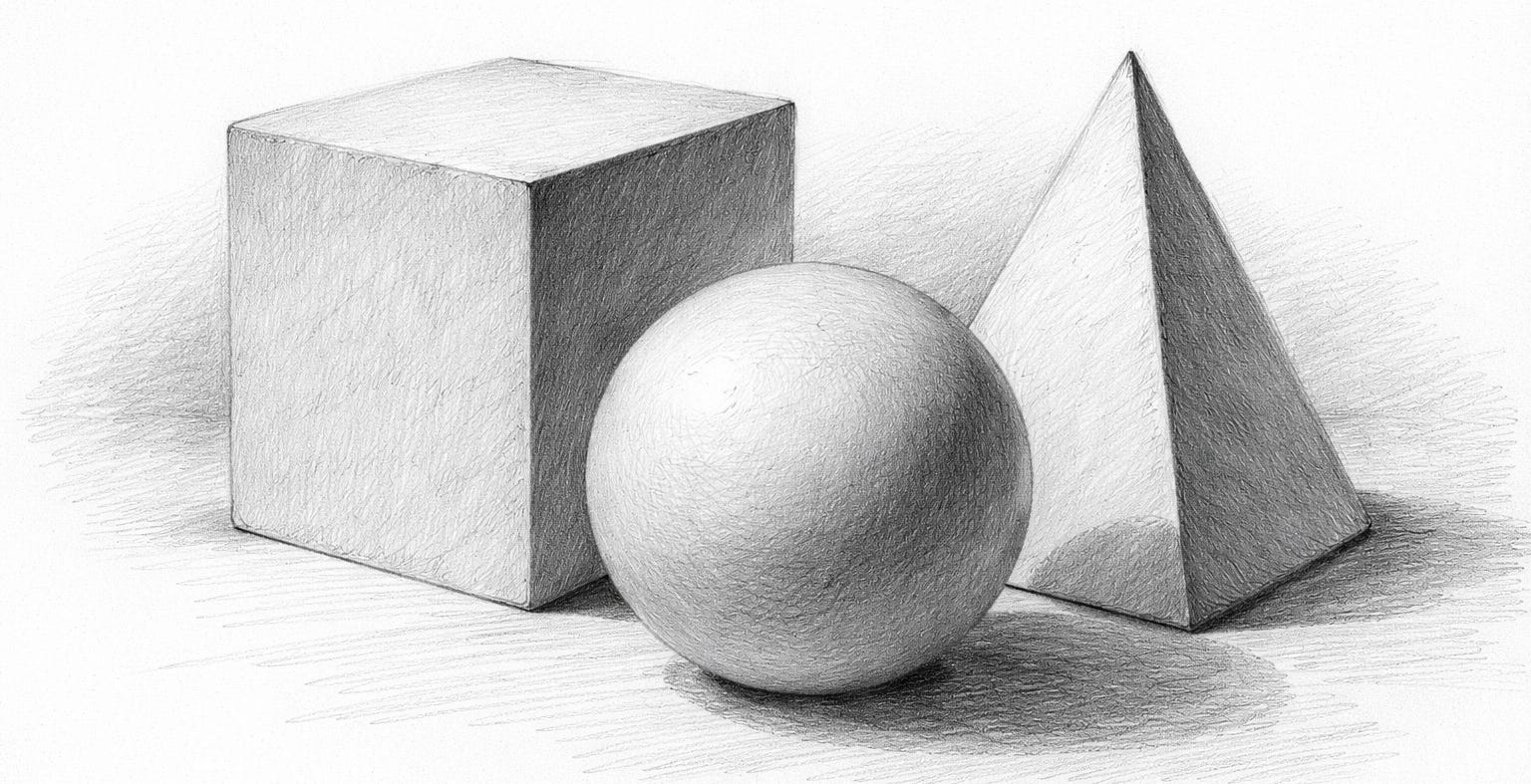
What would it feel like to inhabit a cube? At once, I sensed enclosure, structure tipping toward confinement, pressing inward around me. Then, a sphere. This felt more agreeable, yet balance depended on movement. Finally, a pyramid. Here, the sensation shifted. It was as if the crown of my head were being drawn upward, lifted beyond the density of thought toward a brighter, lighter place. After that, I surrendered to the experience, recalling little else.
When we were gently guided back, the facilitator invited each of us to share what we had noticed. Speaking last, I admitted - somewhat self-consciously - that each form had produced a distinct bodily response in me. No one else had mentioned the shapes. She smiled and explained that the cube represents the soul, the container that holds the many lives we have lived; the sphere, the Earth in perpetual motion; and the pyramid, the spirit - our higher orientation. Given this symbolism, my experience did not surprise her.
Her explanation stirred my curiosity. I left wondering whether these forms held meanings that extended beyond a single meditation. Later, I found myself seeking to understand where such symbols came from and why they resonate with us. Each form invited its own attention.
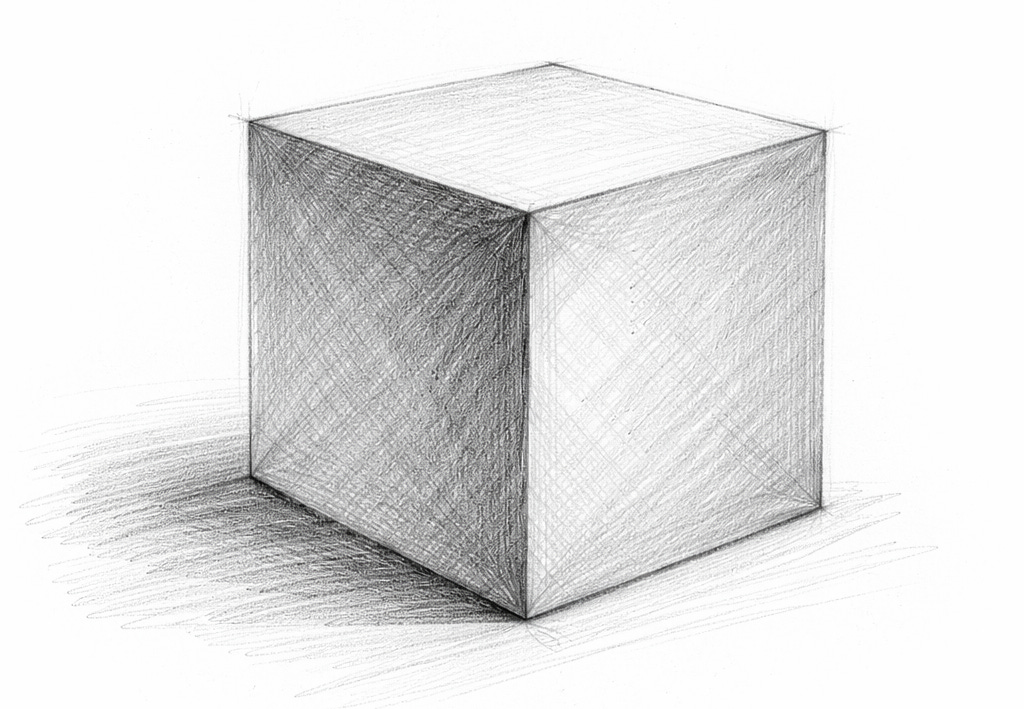
The cube has long been associated with stability and structure. Its six equal sides imply order, boundary, and definition. In Plato’s cosmology, it was linked to the element of earth, the most grounded and immovable of forms - reinforcing its association with solidity and permanence. Architectural and religious traditions have repeatedly returned to this form, most strikingly in the Kaaba in Mecca. The geometry of the cube can be seen as anchoring experience within realities that both contain and limit us.
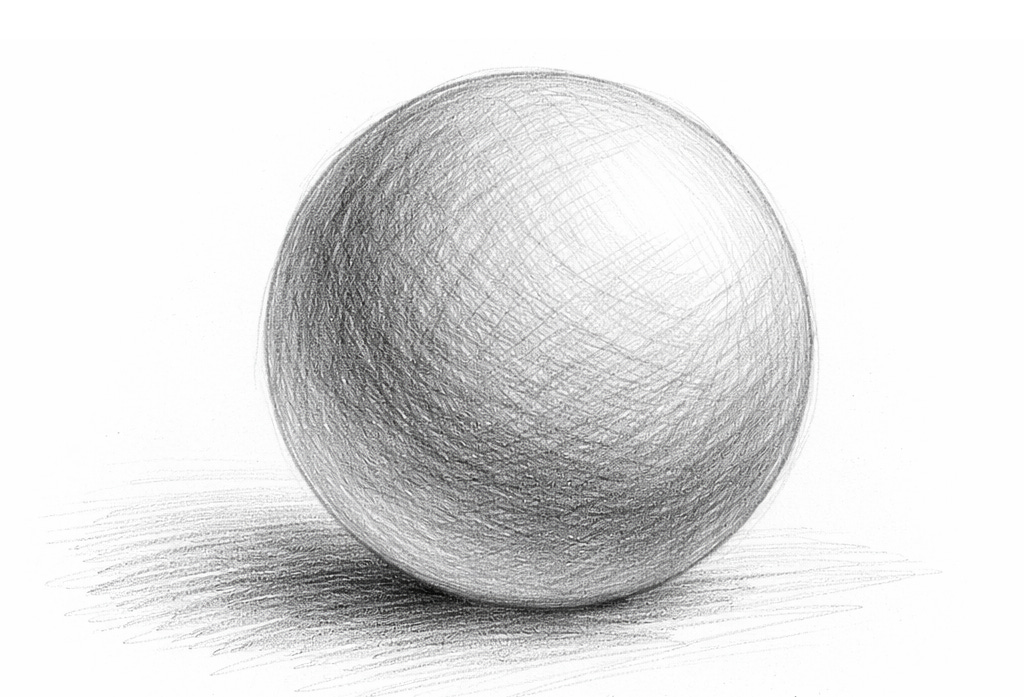
Throughout time, the sphere has symbolised wholeness. Ancient Greek thinkers regarded it as the form closest to cosmic perfection, while Renaissance astronomers envisioned the heavens as concentric spheres in harmonious alignment. Even today, the sphere suggests integration. Unlike the cube, its unity is continuous rather than fixed, allowing coherence to remain dynamic. This principle appears in configurations that endure through movement, such as planetary cycles, cellular formation, and recurring patterns in nature. The sphere reaffirms that we live in orbit; equilibrium emerges through motion.
Finally, the pyramid carries a different orientation altogether. This is one of ascent. Across civilizations, from ancient Egypt to Mesoamerica, its form has expressed the universal yearning to bridge earth and sky. The pyramid has long signified transformation, standing as an enduring gesture of the desire to rise beyond the material world towards spiritual transcendence.
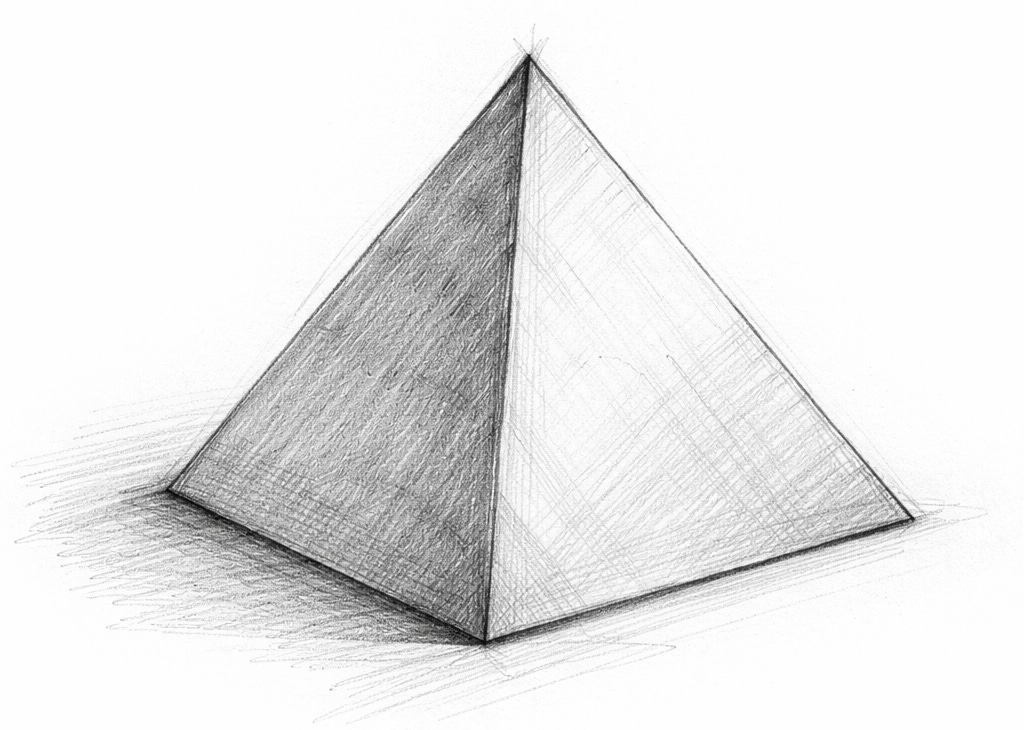
Later, it occurred to me that the sequence of the cube, the sphere, and the pyramid mirrors three orientations to life - containment, continuity, and transcendence. The progression traces a subtle arc: we begin within structure, grow beyond it, and occasionally glimpse the possibility of rising above it.
What struck me most was how instinctively the body recognises symbolic language. Before thought intervenes, something in us responds. Perhaps understanding does not belong to language alone. Perhaps we are shaped as much by forms we feel as by ideas we articulate.
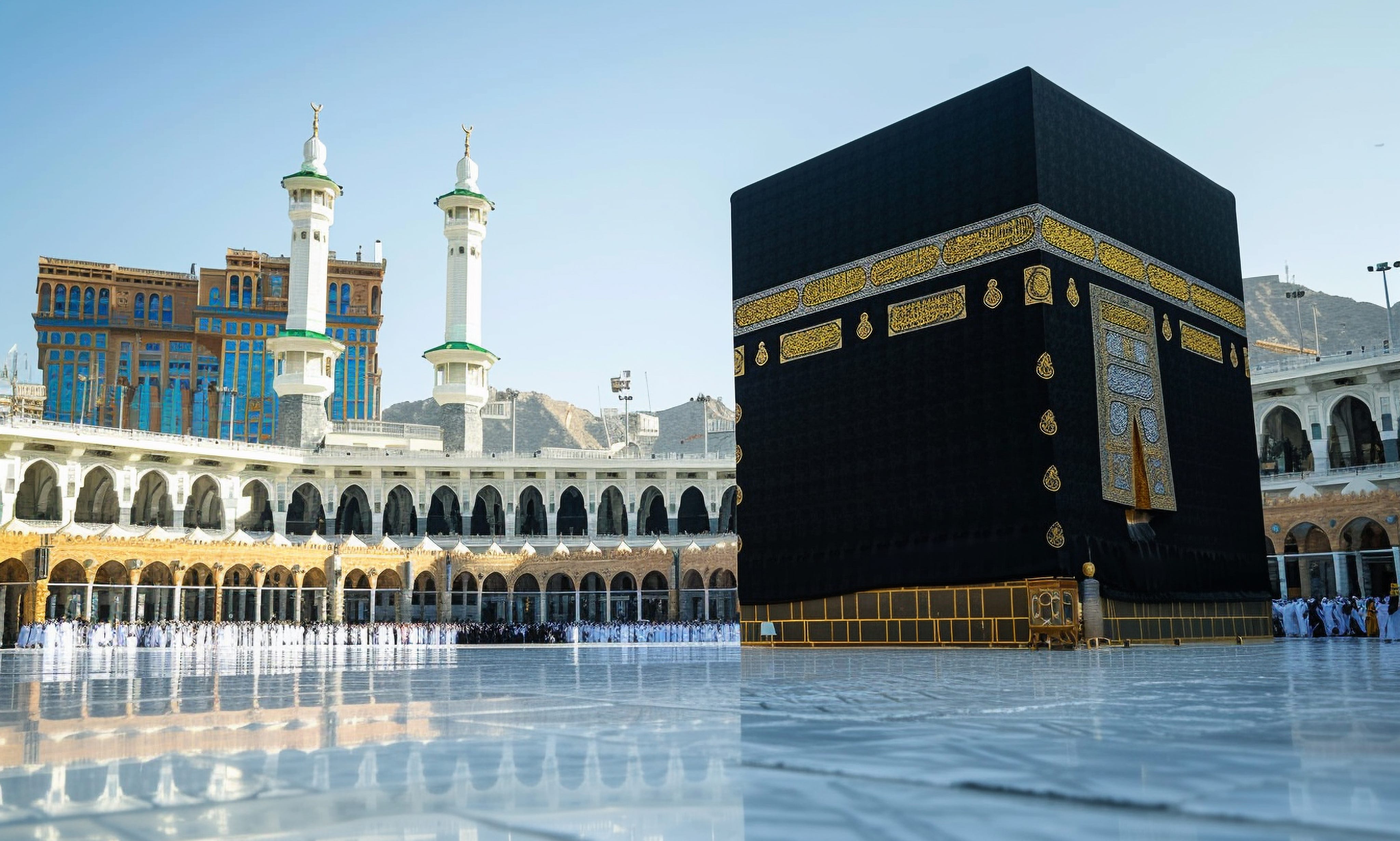
The Kaaba in Mecca is one of the most striking cubic structures in the world.
What an interesting insight Maritzina and, as always, very well described. 👏